

Introduction to Automatic Egg Grading Machine
The poultry industry has witnessed rapid technological advancements in recent years, driven by the need for higher efficiency, better product quality, and cost reduction. One of the key technologies transforming egg production and processing is the Automatic Egg Grading Machine.
An automatic egg grading machine is an advanced piece of equipment designed to classify eggs based on weight, size, and sometimes external quality indicators such as shell cleanliness or defects. By automating the traditionally labor-intensive and error-prone process of egg grading, these machines significantly enhance operational productivity and ensure consistent quality.
With global demand for high-quality eggs rising, automatic egg grading machines have become indispensable in commercial poultry farms, egg packing centers, and processing plants. Their precision and speed meet the stringent standards required by retailers and exporters worldwide.
What Is an Automatic Egg Grading Machine?
An Automatic Egg Grading Machine is a mechanized system that sorts eggs automatically according to predefined criteria such as weight and size. Unlike manual grading, this equipment employs sensors, load cells, cameras, and intelligent control software to evaluate each egg with minimal human intervention.
The process typically includes:
Feeding eggs onto the machine via conveyors or automated feeders
Weighing or measuring eggs to determine size grade
Sorting eggs into different categories and directing them to designated collection points
Optional integration with egg washing, packing, and labeling systems
Automatic egg grading machines vary from small-scale models suitable for medium farms to large industrial lines capable of processing tens of thousands of eggs per hour.
Technical Parameters of Automatic Egg Grading Machines
Automatic egg grading machines come with a wide range of specifications, adaptable to diverse operational requirements.
1. Capacity
Small models: 2,000–6,000 eggs per hour
Medium models: 10,000–30,000 eggs per hour
Large models: 60,000–120,000+ eggs per hour
2. Grading Categories
Weight-based: Typically 4 to 7 grades (e.g., Small, Medium, Large, Extra Large, Jumbo)
Size-based: Diameter or volume measurements
Optional external quality assessment (shell cracks, cleanliness)
3. Weight Range
Minimum egg weight: 35 g (typical)
Maximum egg weight: 85 g or higher
Adjustable grading intervals for customized market requirements
4. Accuracy
Weight grading accuracy: ±1 g or better
Size measurement precision: High-resolution sensors or cameras
5. Power Supply
Voltage: 220V / 380V
Frequency: 50Hz / 60Hz
Power consumption: Varies by model, typically 2–6 kW
6. Materials
Food-grade stainless steel framework
High-quality plastic rollers and egg cups
Advanced sensors and PLC (Programmable Logic Controller) system
7. Control System
PLC-based automation
Touchscreen Human Machine Interface (HMI)
Real-time monitoring and fault diagnostics
Key Features of Automatic Egg Grading Machines
1. Fully Automated Operation
From feeding to sorting, the entire grading process is automated, minimizing human labor and errors.
2. High-Speed Grading
Capable of processing thousands of eggs per hour, increasing throughput and reducing bottlenecks.
3. Precise Weight and Size Measurement
Advanced sensors ensure eggs are categorized accurately, ensuring product consistency.
4. Gentle Egg Handling
Specialized egg cups and cushioning mechanisms reduce the risk of cracking and damage.
5. Modular and Scalable Design
Machines can be expanded or customized to integrate with washing, packing, or labeling lines.
6. User-Friendly Interface
Touchscreen controls simplify parameter settings, monitoring, and troubleshooting.
7. Hygienic and Easy to Clean
Food-grade materials and design comply with strict hygiene standards, facilitating easy cleaning.
Advantages of Automatic Egg Grading Machines
1. Improved Product Quality and Uniformity
Standardized egg grading meets retailer and consumer expectations, enhancing marketability.
2. Labor Cost Reduction
Automating grading reduces manual labor requirements and associated costs.
3. Enhanced Operational Efficiency
High throughput machines increase productivity and reduce turnaround times.
4. Minimized Egg Breakage
Gentle handling systems decrease egg losses, improving yield and profitability.
5. Real-Time Data Collection
Integrated control systems collect valuable production data to optimize operations.
6. Flexibility
Adjustable grading parameters allow customization for different markets and customer needs.
Application Scenarios
1. Commercial Poultry Farms
Automate grading to prepare eggs for sale or further processing.
2. Egg Grading and Packing Centers
Centralized facilities benefit from high-capacity grading and sorting systems.
3. Egg Processing Plants
Integrate grading with washing, candling, and packing for streamlined processing lines.
4. Poultry Cooperatives and Exporters
Ensure uniform quality and compliance with international standards.
5. Small to Medium-Scale Farms
Compact models support growth and market expansion.
Installation and Usage Instructions
Installation
Select a stable, level surface with adequate space for machine and conveyors.
Connect to proper power supply following electrical standards.
Assemble modular parts as per manufacturer instructions.
Integrate with existing feeding and packing equipment if applicable.
Run initial calibration and test cycles before full operation.
Operation
Turn on power and initialize control system.
Adjust grading parameters via touchscreen interface.
Load eggs manually or through automated feeders.
Monitor sorting process; collect graded eggs at designated outlets.
Use real-time data displays to ensure optimal operation.
Safety
Keep hands and tools clear of moving parts during operation.
Follow electrical and mechanical safety guidelines.
Train operators thoroughly on machine use and emergency procedures.
Maintenance and Troubleshooting
Routine Maintenance
Clean egg contact surfaces daily to prevent contamination.
Inspect moving parts weekly for wear and lubricate as necessary.
Verify sensor calibration monthly.
Troubleshooting Common Issues
Inaccurate grading: Recalibrate sensors, check for debris or damage.
Egg damage: Adjust conveyor speed or cushioning mechanisms.
Machine stops: Inspect power supply, fuses, and emergency stop buttons.
Uneven egg flow: Check feeding conveyor alignment and egg cup integrity.
Common Problems and Solutions
Inconsistent Grading | Sensor misalignment, dirt | Clean and recalibrate sensors |
Egg Breakage | High conveyor speed, rough handling | Reduce speed, repair cushioning |
Frequent Machine Stops | Electrical issues or overload | Check wiring, reset overload protections |
Output Overflow or Jam | Poor egg feeding alignment | Adjust feed mechanism, clean debris |
Frequently Asked Questions (FAQ)
Q1: Can the machine grade different types of eggs?
A1: Yes, with proper adjustments, machines can grade chicken, duck, or quail eggs.
Q2: How accurate is the weight grading?
A2: Most machines achieve ±1 g accuracy or better.
Q3: Can grading categories be customized?
A3: Yes, grading thresholds and categories can be tailored via the control panel.
Q4: What is the average lifespan of the machine?
A4: With proper maintenance, 10–15 years.
Q5: Does the machine require special training to operate?
A5: Basic training is recommended; the user-friendly interface simplifies operation.
SEO Keyword Strategy
Core Keywords:
Automatic Egg Grading Machine
Egg Grading Machine
Poultry Egg Grader
Long-tail Keywords:
High-capacity automatic egg grading machine
Egg size and weight grading equipment
Automated egg grading and packing system
Egg grading machine for poultry farms
Future Trends in Egg Grading Technology
Integration with AI and machine vision for defect detection
Increased automation with robotic packing solutions
Energy-efficient designs reducing operational costs
IoT-enabled remote monitoring and predictive maintenance
Conclusion
The Automatic Egg Grading Machine is a transformative technology that empowers poultry farms and egg processing enterprises to improve product quality, increase throughput, and reduce labor costs. Its precision, speed, and automation help meet market demands for standardized egg products and enable operators to scale efficiently.
Investing in a reliable automatic egg grading machine is a smart decision for businesses aiming to optimize their egg processing workflows and achieve long-term competitive advantage.
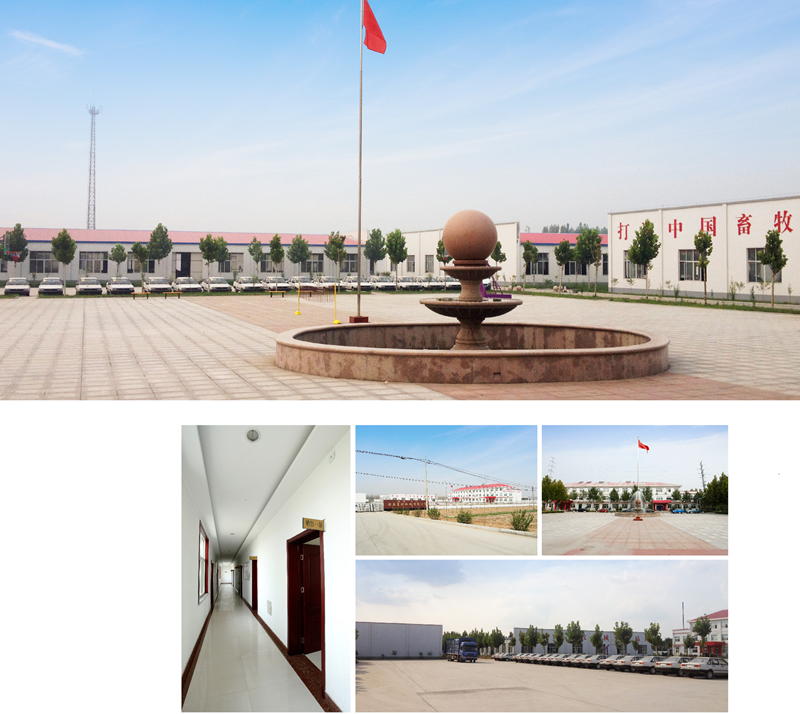
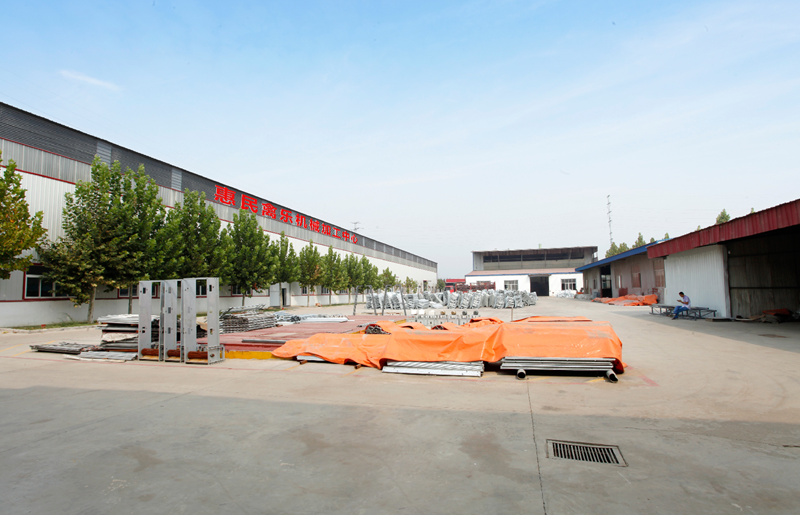
Shandong Huimin Qinle Livestock Machinery Co., Ltd. (formerly Shandong Huimin Qinle Livestock Machinery Factory) is a professional poultry equipment manufacturer with over 20 years of experience. We offer a comprehensive service package, from design (land and chicken coops), production (equipment and prefabricated steel coops), installation, commissioning, customer training, and after-sales service.
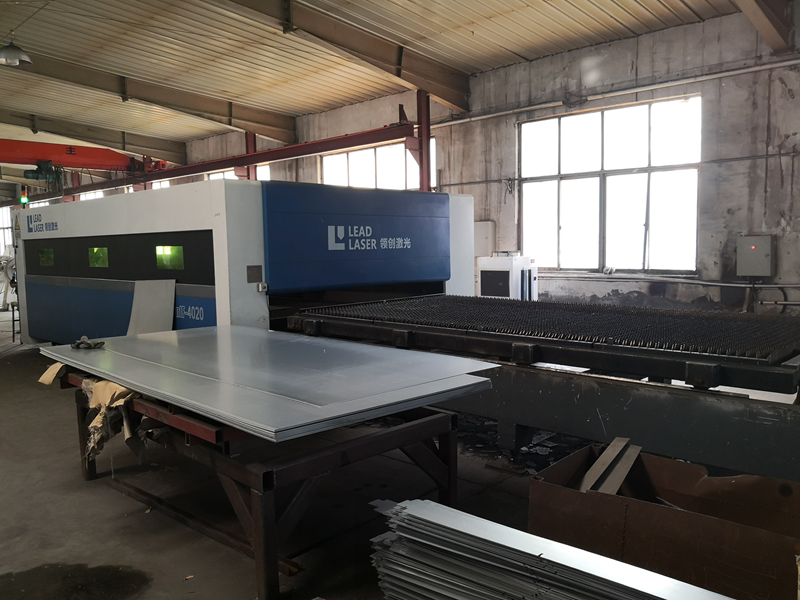
Located in Huimin County, Binzhou City, Shandong Province, China, the company has extensive experience in mechanical processing and manufacturing, as well as livestock machinery production and operation. With fixed assets of RMB 15 million, the company employs 160 people, including 30 R&D staff, and occupies a 40,000-square-meter factory. Equipped with over 110 pieces of advanced precision production equipment, including CNC machining centers and laser cutting machines, the company boasts a production capacity of RMB 50 million.
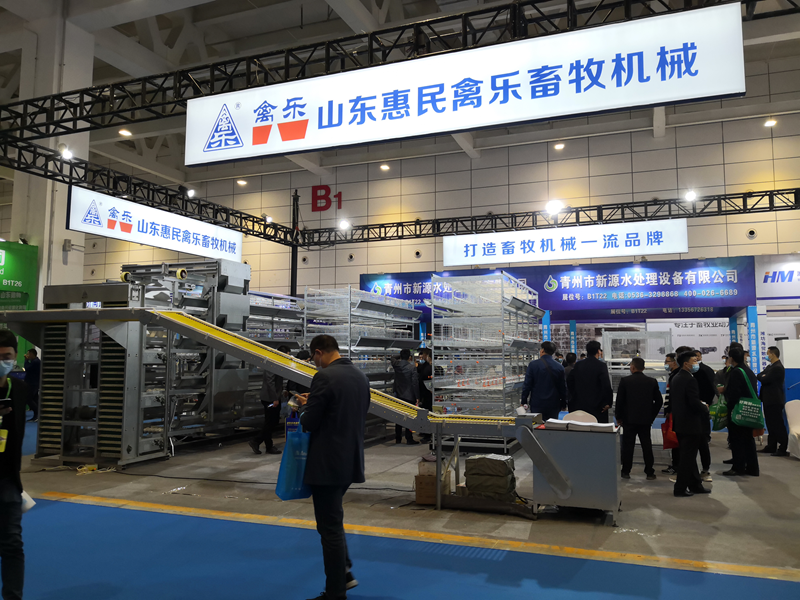

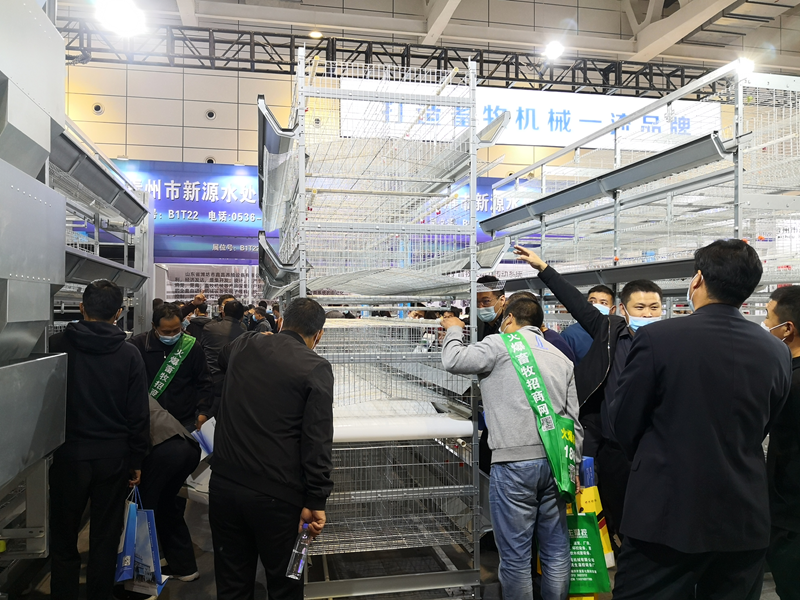
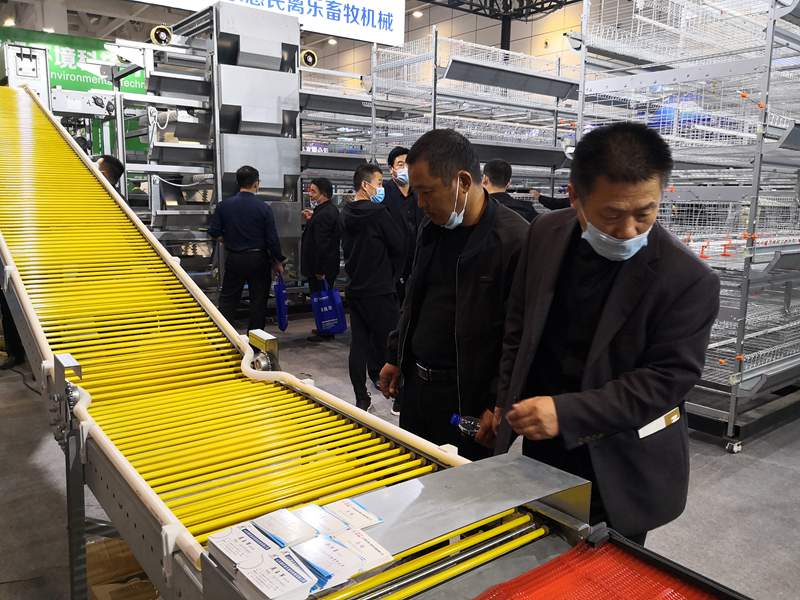
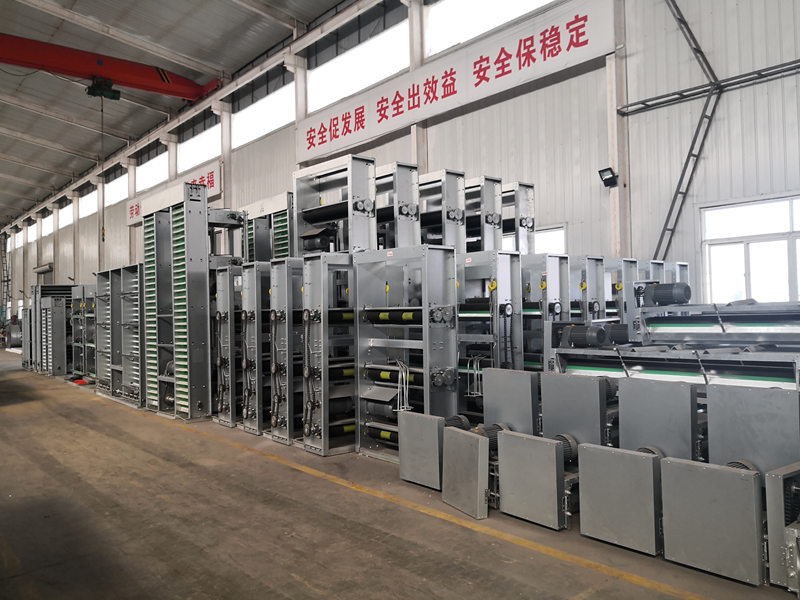
Chicken Farming Equipment Mesh Production Workshop

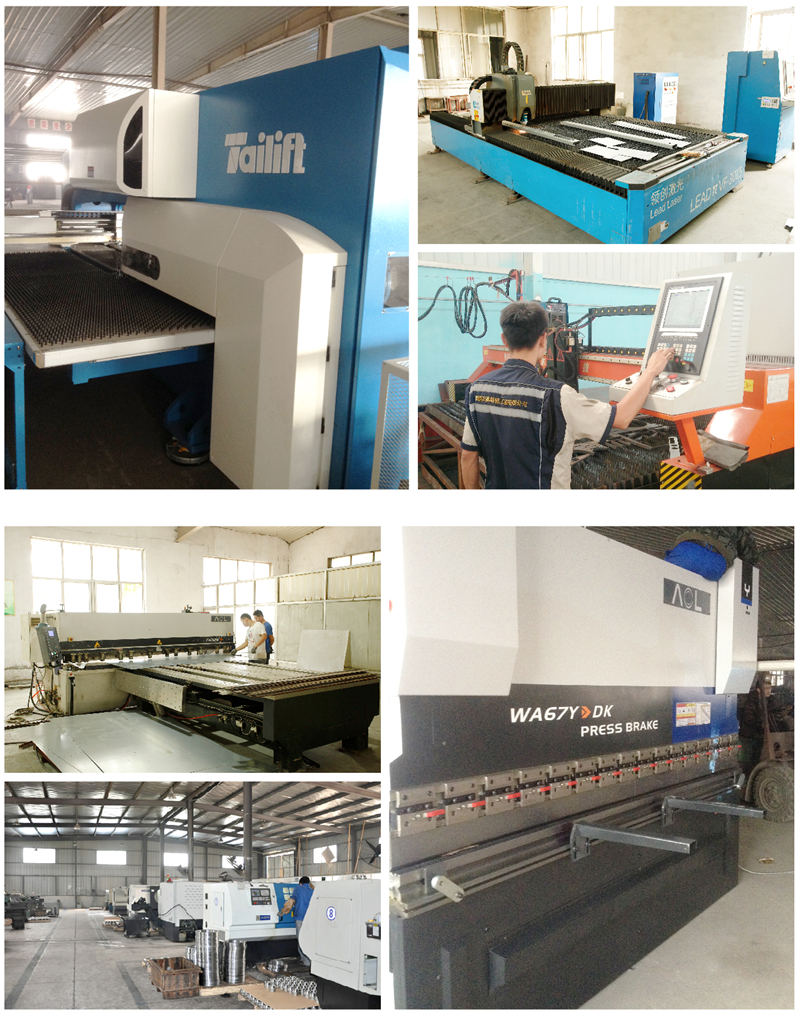
Machining Workshop
Turret-type CNC Punch Press, Laser Cutting and Other Machining Equipment

Fully Automated Roll Forming Production Line

Hot-dip Galvanizing Production Line

Electroplating Production Line
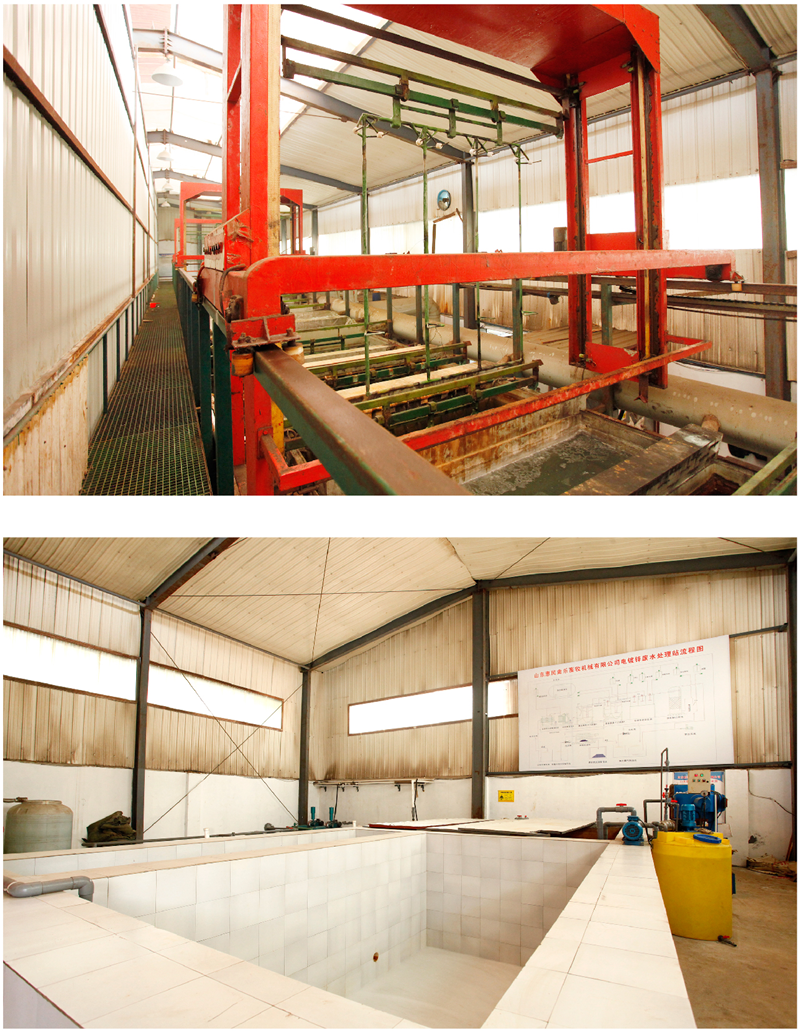
Environmental Protection Equipment
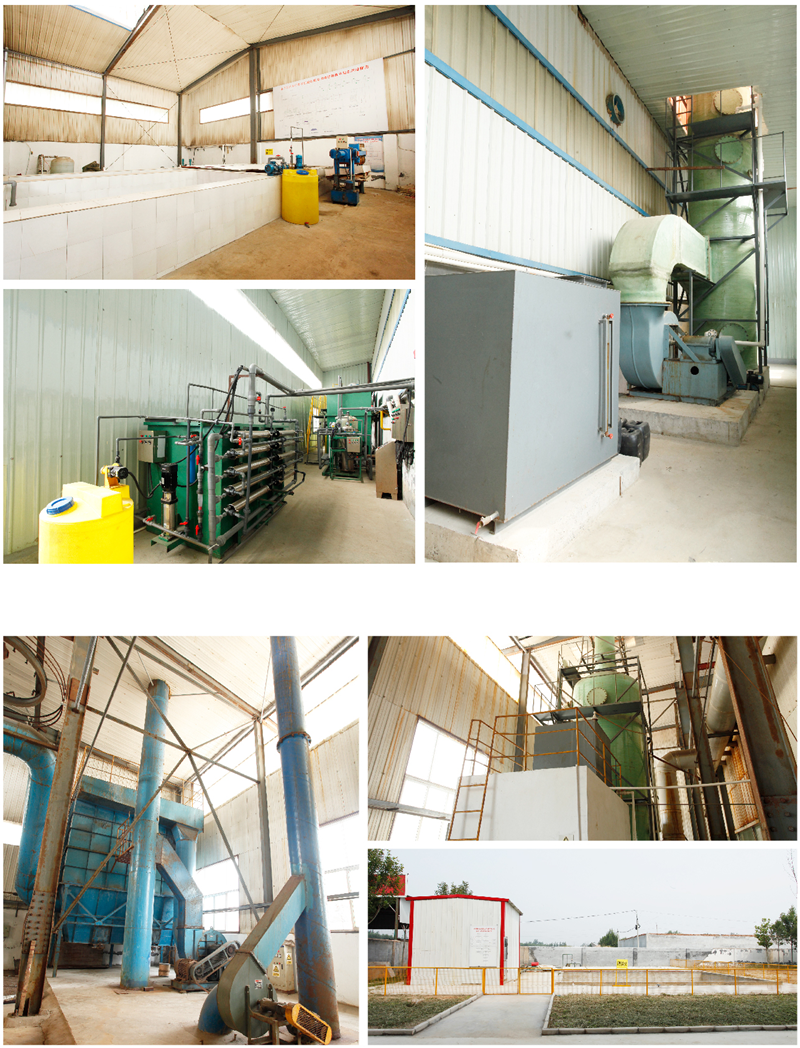
Chicken Farming Equipment Product Series
Egg-laying Hen Farming Equipment
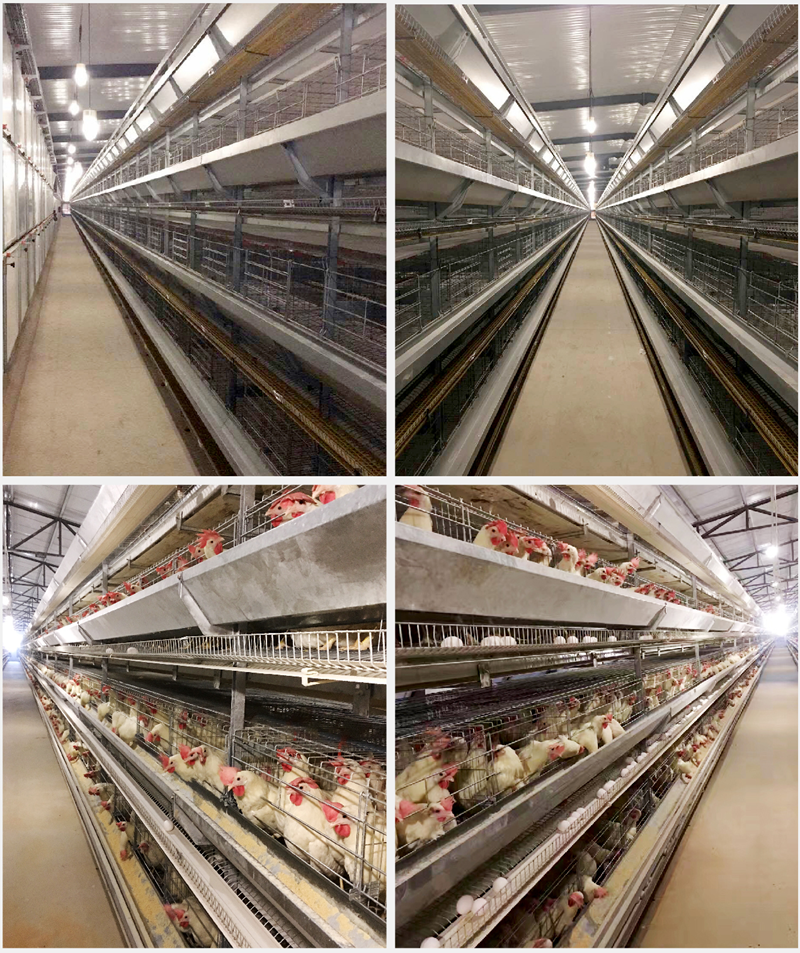
Stacked Brooding Cage Equipment

Stacked Broiler Cage Equipment
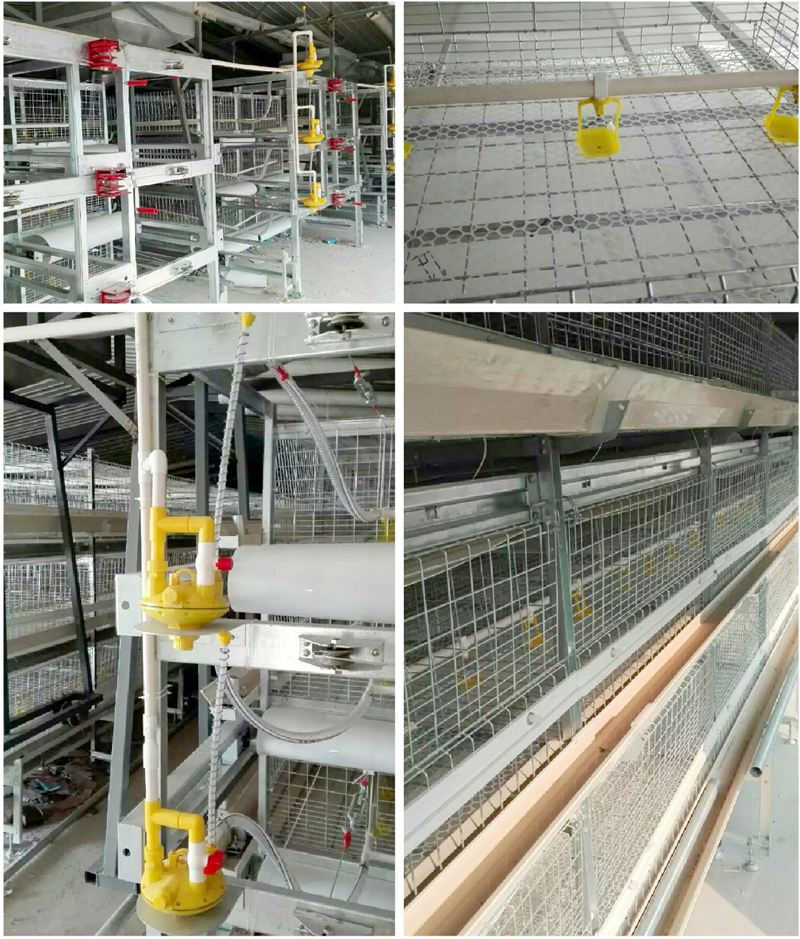
Stepped Layer Hen Cage Rearing Equipment
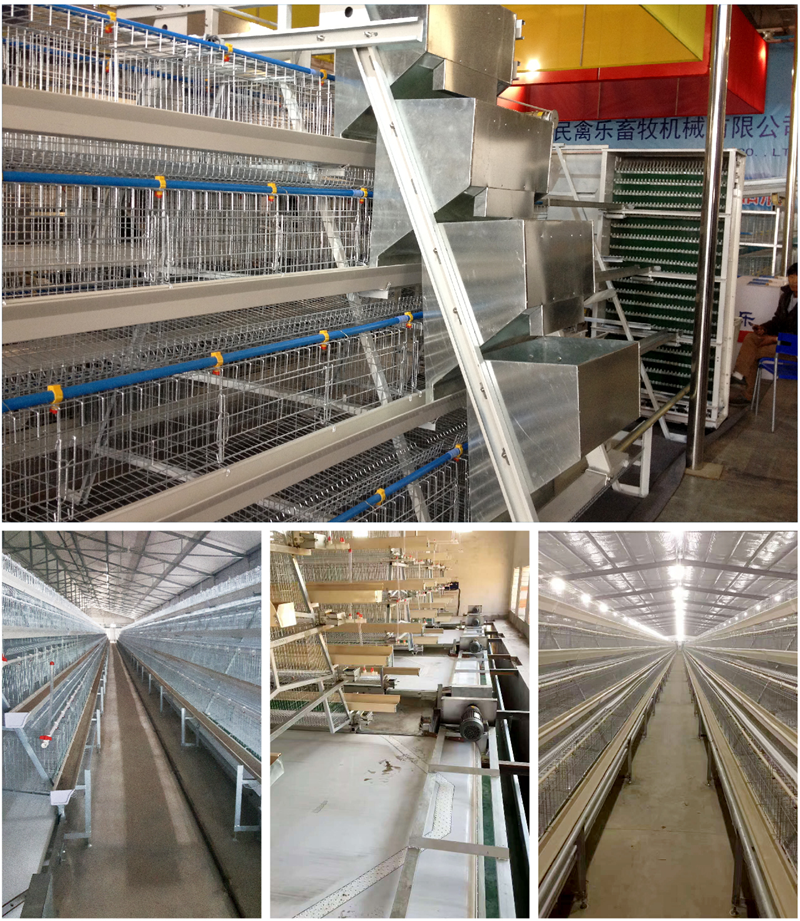
Automatic Egg Collection System
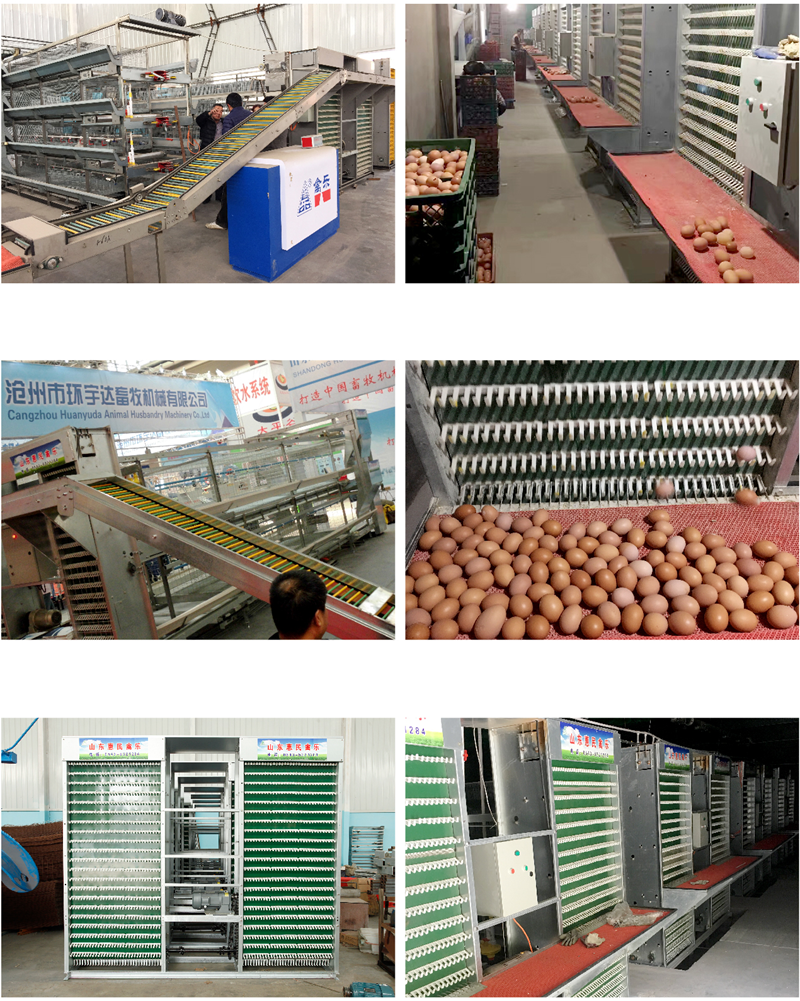
H-type Cage Feeding Machine
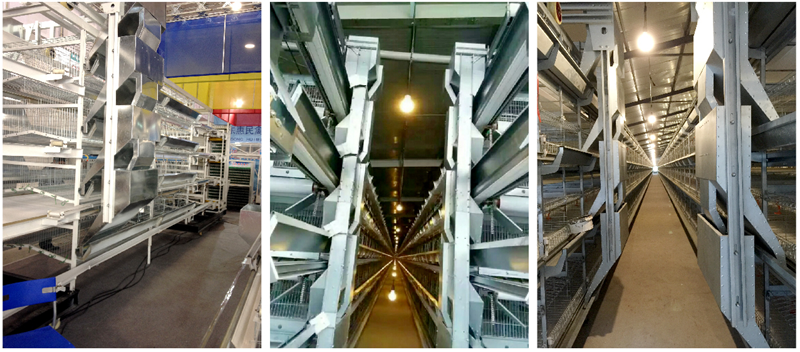
Stepped Cage Straddle Feeder
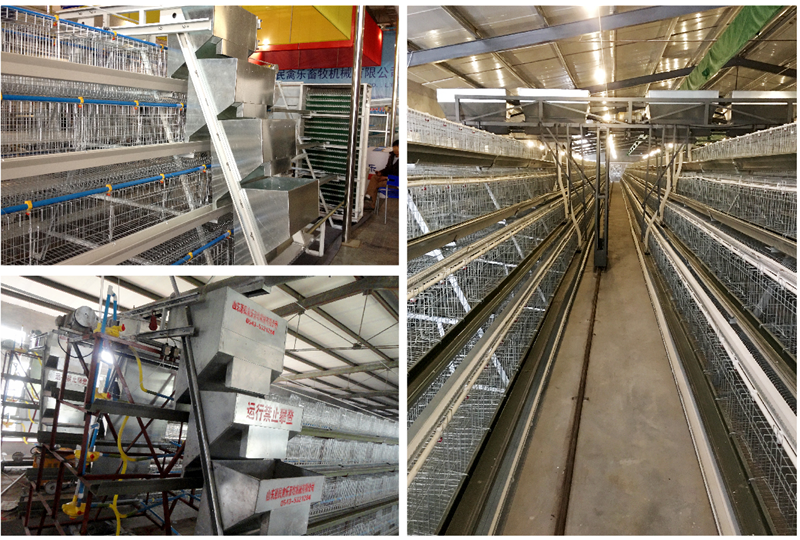
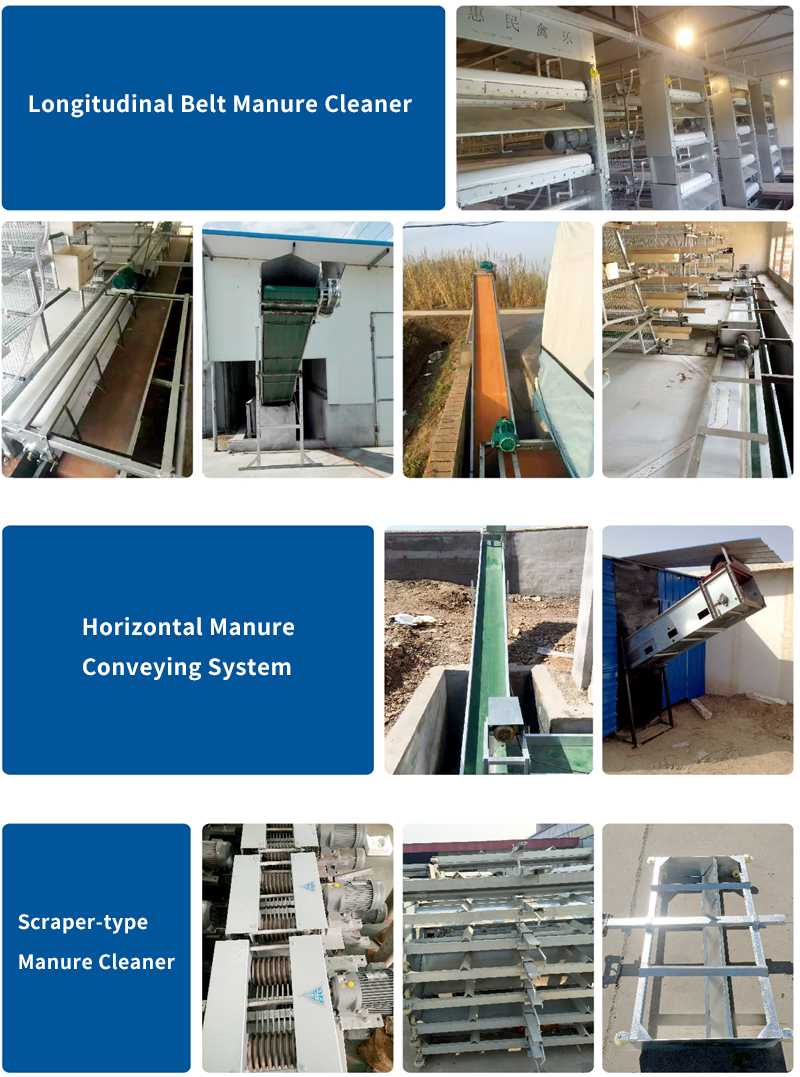
Manure Removal Machine
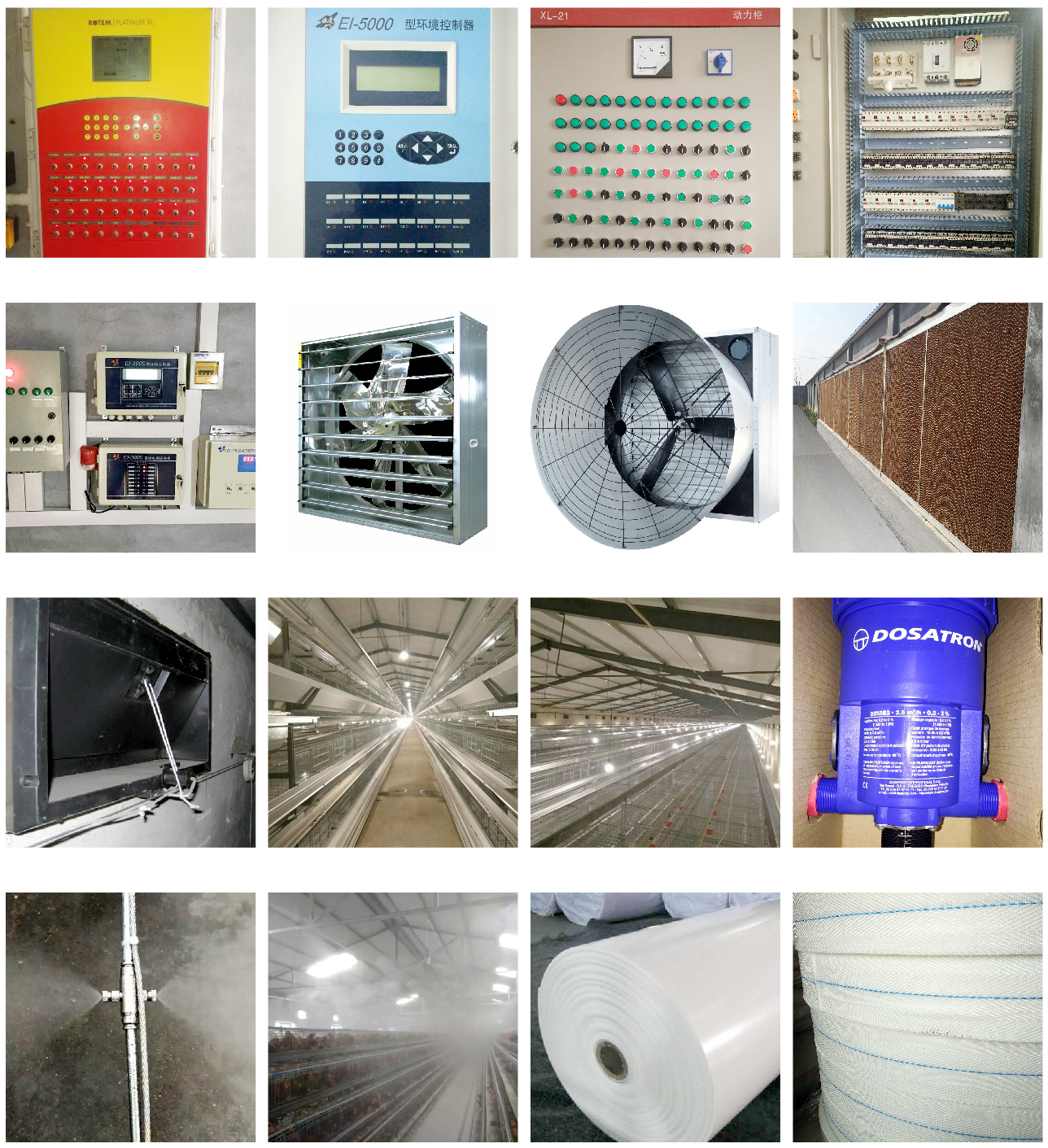
Fans, Heated Curtains, Environmental Control Systems, and Lighting Equipment
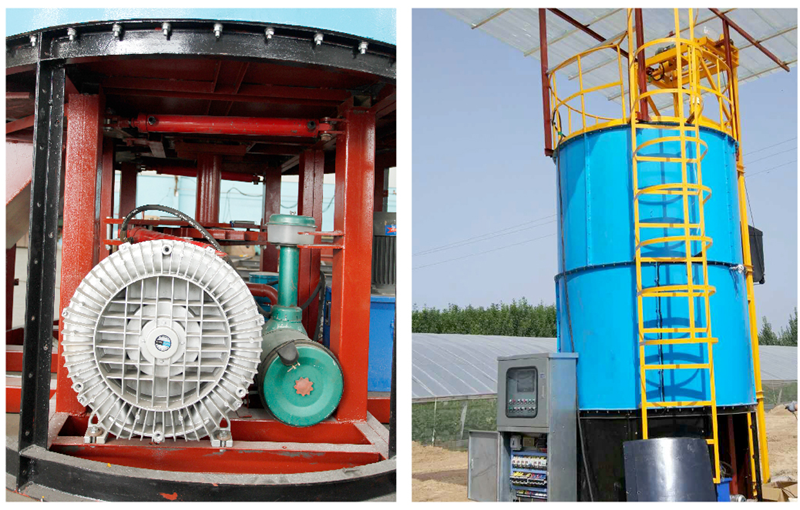
Complete Set of Equipment for Organic Fermentation Treatment of Manure
 RELATED
 RELATED
يستخدم هذا الموقع ملفات تعريف الارتباط لضمان حصولك على أفضل تجربة على موقعنا.
 English
 Pусский
 Français
 Indonesia
 қазақ
қазақ o'zbek
 Кыргызча
 тоҷикӣ
 Türkmenler
 Catalogue



 واتس اب
 هاتف
هاتف